

6 Ways to Balance Device Screen Time
February 23, 2021
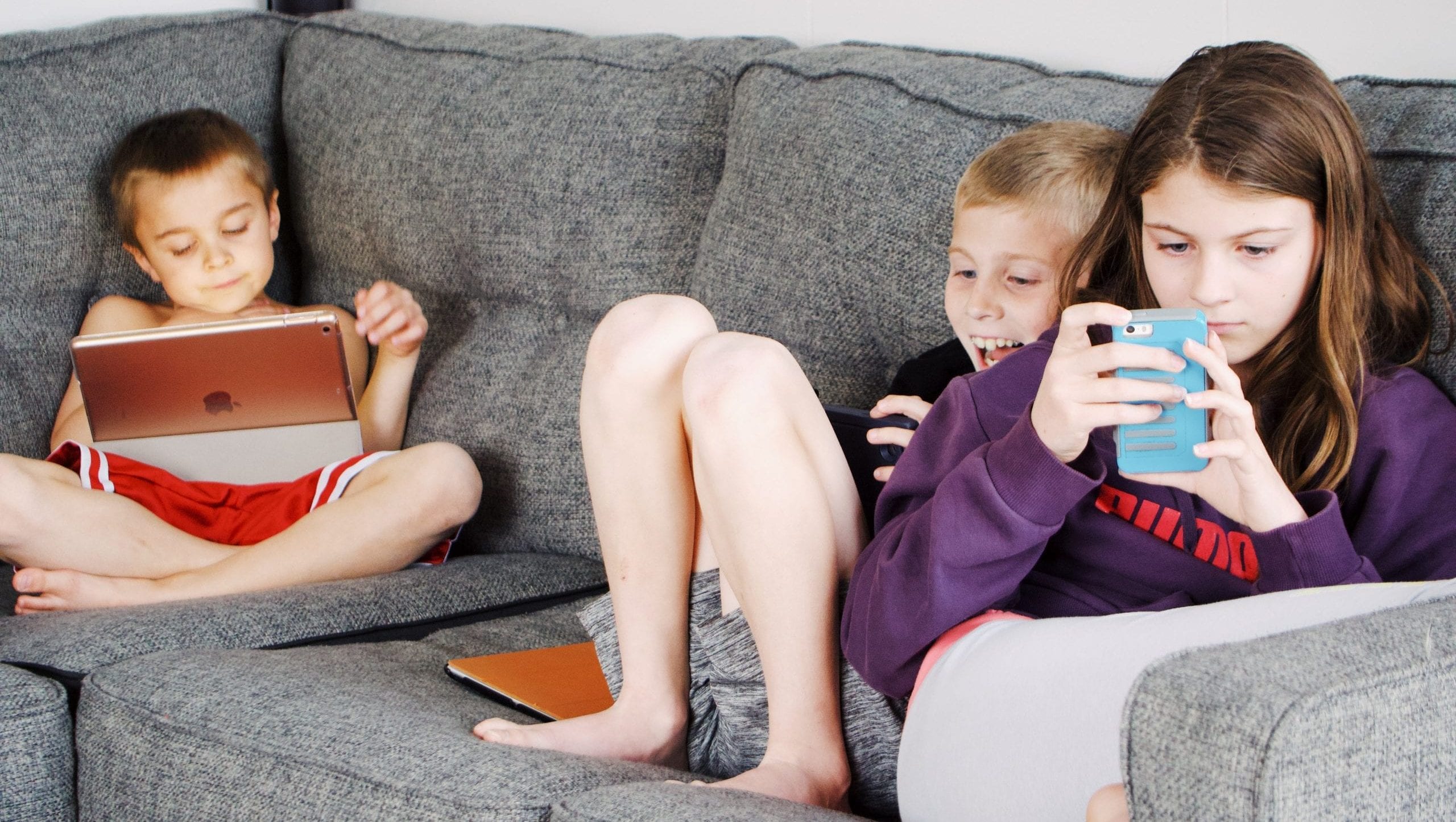
Smartphones and Distraction:
6 Ways to Balance Device Screen Time
Today’s flood of digital distractions can keep us from staying focused on teaching, learning, and connecting with the people around us. Being truly present in our environment and engaged in life has become harder because of the misuse of smartphones and our “attention economy” culture. Technology is a wonderful thing. But only if you know how to manage it.
The term “attention economy” suggests that human attention is becoming a scarce resource while at the same time, a valuable commodity amidst the endless ads and information bombarding us. To put it simply, companies are vying for our attention to make money. Persuasive social media algorithms keep us clicking, scrolling, swiping… and buying.
Despite our attempts to curb our phone use, Americans check their phones 96 times a day – that's once every 10 minutes. (Asurion)
T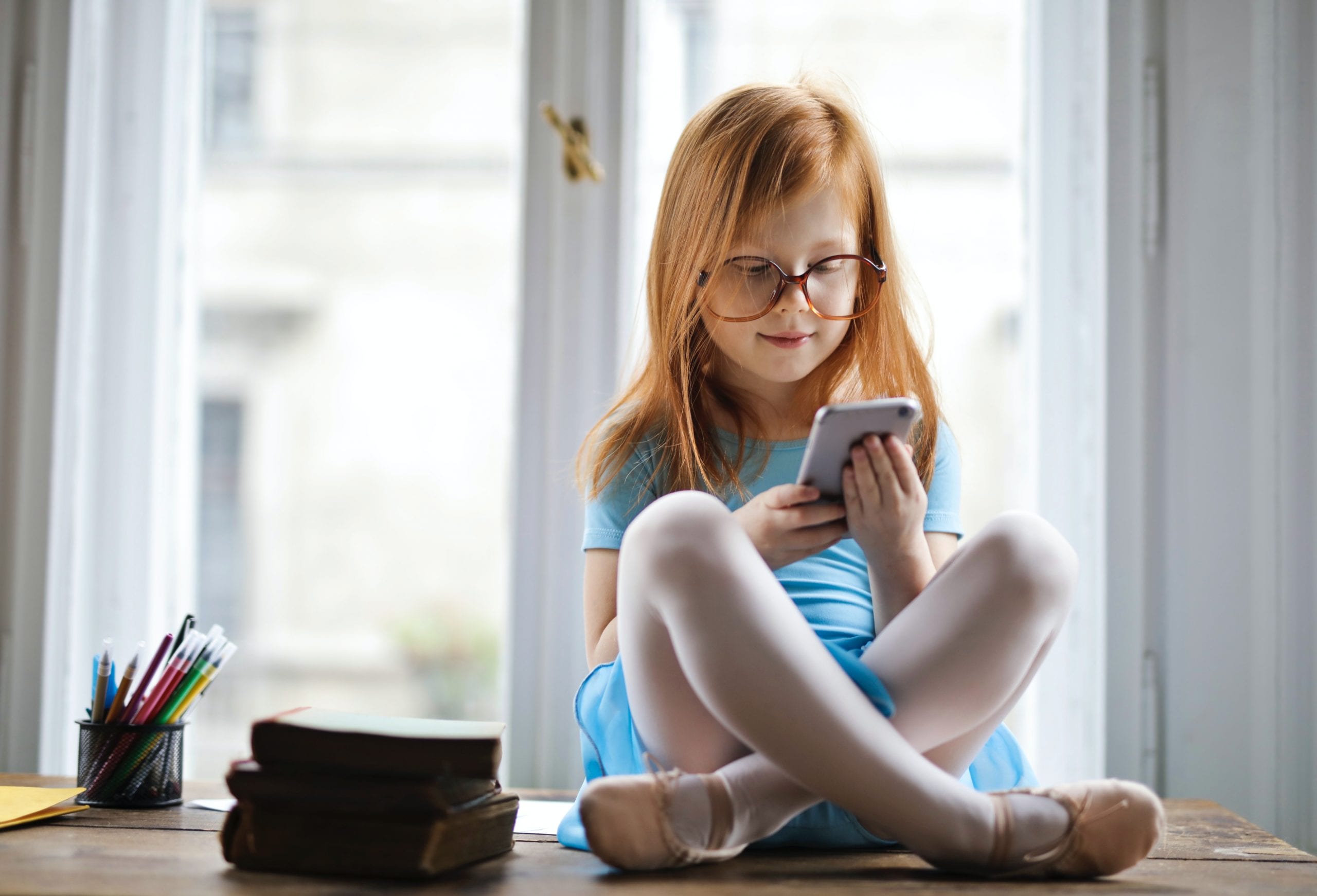 he various rings, dings, pings, and buzzes from our phones drive us to distraction. Despite their usefulness, notifications have created a compulsive mental urge to constantly check our devices. According to recent research, the mere presence of a smartphone, even when it’s turned off, affects our ability to think. (-Harvard Business Review) Fortunately, the Internet has provided an outlet for connecting, socializing, and learning during COVID-19 for students. But it comes with a price.
Parents shouldn’t feel too guilty about their children socializing on screen, but kids, unlike adults, haven’t developed enough self-control. If it’s hard for adults to disconnect, think about how hard it is for a child with self-regulation impulse challenges, or for a teenager to resist browsing TikTok.
“Digital Well-being” requires a parent to pause and ask their children if technology is adding value to their lives or distracting them from what’s important.
Talk about Distraction! Android users can choose between 2.87 million apps, making Google Play the store with the biggest number of available apps. The Apple App Store has almost 1.96 million available apps for iOS. (Statistic, 2/21)
 Multi-tasking while learning or doing schoolwork has the potential to create the biggest negative outcome. Kids get mentally fatigued, lose their depth of learning, and have a tougher time applying what they’ve learned to other situations. According to a University of California Irvine study, it takes an average of 23 minutes and 15 seconds to get back to a task after a distraction.
Combining screen time with activities that are good for your child’s development can help you find the right balance.
Here are 6 ways for balancing screen time:
- Put your phone away during in-person conversations
- Have an electronic curfew
- Establish a reading routine before bedtime
- Make the bedroom a phone-free zone
- Use screen time management apps (try Forest, unGlue Kids, and Flip’d)
- Set time limits on days allowed for social media and gaming (try Internet blockers, like Freedom)
According to Common Sense Media, a healthy media diet for children balances three things:
- Knowing what kids do online
- Limiting how much time they spend doing it
- Decide whether their content choices are age appropriate
If you set realistic boundaries that make sense to you personally, your children can make the best of their tech time, and balance in quality time with family, nature, friends, and creative play.
This is Part 2 of our series on Digital Well-Being.
Part 1: 5 Tips to Improve Your Digital Well-being During COVID-19
Part 3: 10 Things to Teach Children About Cyberbullying
Author: Michelle Marin is a certified program facilitator by Mindfulness Without Borders. She is an advocate for young people’s healthy digital media consumption and volunteers with the Digital Wellness Institute. She has been a technology marketing professional for over 20 years.
Respectful Ways offers social-emotional learning curriculum for three age groups: PreK-2, 3-5, and 6-12 students using interactive, digital modules on compassion, perseverance, respect and responsibility.
Photo credits: Andrea Piacquadio, Luna Lovegood Jessica Lewis from Pexels

This entry was posted in SEL News. Bookmark the permalink.
 Our 1st graders loved the Be Kind: It Feels Good course. The Kindness Hunt and bucket filling activities were the best. Very engaging.
 The Bored, Get Creative module was perfect for our 4th graders pre-winter break. We talked about things they could do if “bored”.