

Chronic Absenteeism: What the Empty Desks Are Telling Us
November 9, 2026
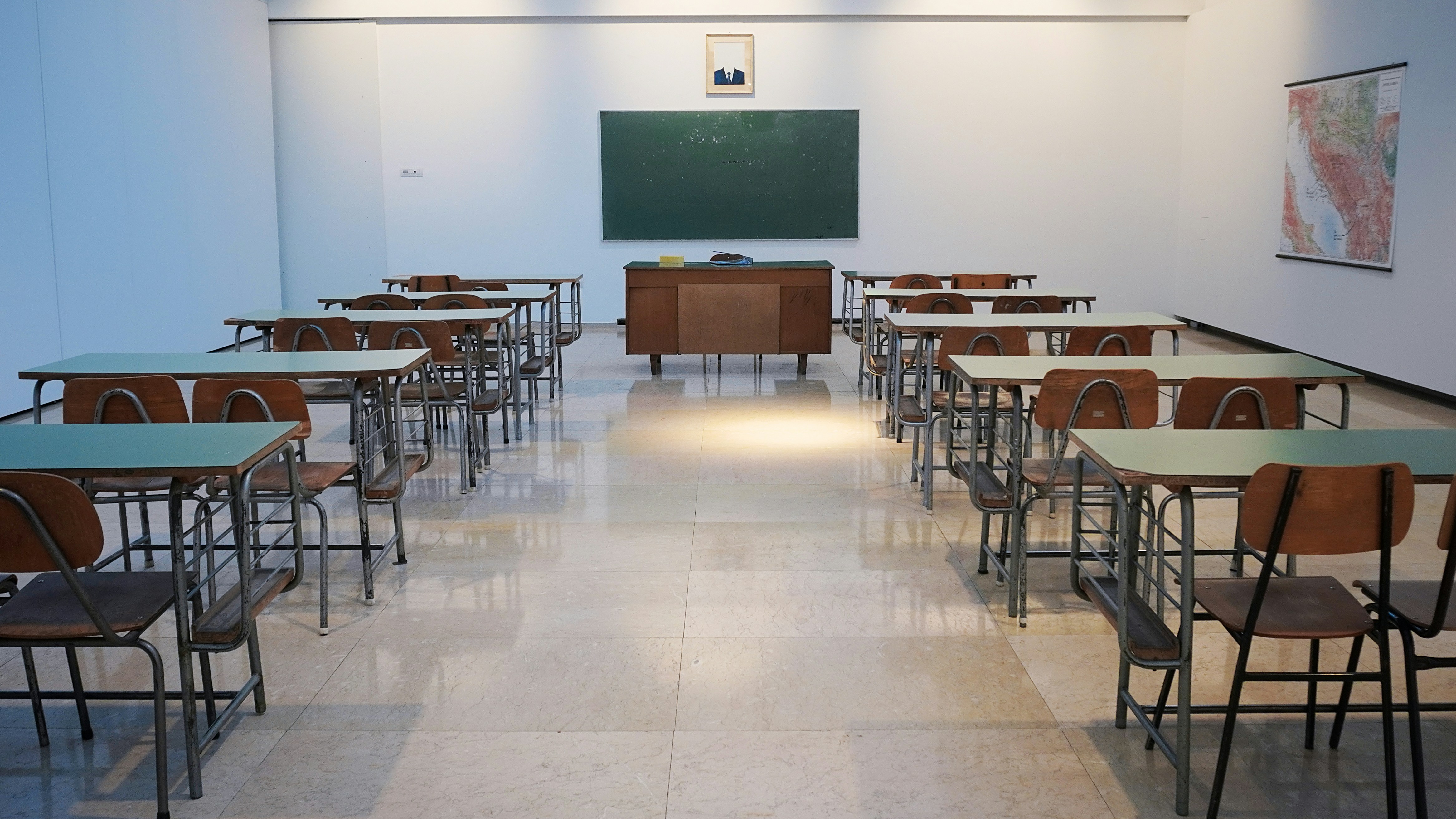
Part 1 of 5 | Why understanding the reasons students miss school is the first step toward helping them return.
When it comes to chronic absenteeism, students can have identical attendance records but completely different reasons for missing school. Trauma-informed education asks us to understand the barriers before choosing an intervention.
Are We Asking the Wrong Question About Chronic Absenteeism?
Chronic absenteeism has become one of the most pressing challenges facing American schools.
It’s generally defined as missing 10% or more of the school year. In a typical 180-day calendar, that’s approximately 18 days.
A student missing just two days per month could miss about 20 days of instruction over a school year.
A September 2026 report from the U.S. Government Accountability Office estimated that at least one-quarter of K–12 students were chronically absent in recent years.
Those numbers should concern all of us.
But here’s what concerns me just as much:
We’re looking at attendance records without always understanding the lives behind them.
Three Students. Three Different Stories.
Imagine three students who have each missed 12 days of school so far this year.
- One has unreliable transportation.
- Another is experiencing anxiety because of bullying.
- The third is struggling academically and has started avoiding school because falling further behind feels overwhelming.
Same attendance problem.
Three very different reasons.
And three different interventions are needed.
That’s where trauma-informed practice matters.
Instead of asking only, “How do we make this student come to school?”
Ask:
“What’s making it difficult for this student to attend, and what support would help?”
- Transportation problems require access solutions.
- Bullying requires a safe and effective response, and the anxiety it causes may need coordinated help from educators, families, and mental health professionals.
- Academic struggles require instructional support.
Trauma-informed social emotional learning doesn’t mean lowering expectations.
It means understanding the barrier well enough to choose a response that has a chance of working.
Trauma-informed SEL lessons for grades PreK-2, 3-5, 6-8 and 9-12
The Attendance Number Is a Signal
Attendance data can tell us when a student needs attention.
But relationships, conversations, and careful observation help us understand what may be happening.
A student who suddenly starts missing Mondays, falling behind academically, or withdrawing from classmates may be showing us that something has changed.
And understanding what and why is where meaningful intervention begins.
Let’s Continue the Conversation
- Educators and administrators, what are the most common reasons students are missing school in your community?
- Are you seeing transportation barriers, anxiety, disengagement, family challenges, or something else?
I’d love to hear what you’re experiencing. Reach out to me at pam@respectfulways.com or 404.955.8882.
What Schools Can Do This Week
You don’t need a new program to start understanding why students are missing school. A few small steps can make a difference right away:
Are absences on Mondays, after weekends, or around tests? A pattern often points to the reason.
A short, private check-in with the student, such as “I noticed you’ve missed some days. Is something making it hard to get here?”, can tell you more than the attendance report.
Reach out before absences become chronic, with an offer of help rather than a warning.
Make sure the counselor, teachers and support staff know the reason, so everyone responds the same way.
Understanding the “why” first helps your team choose a response that works.
Like this? Subscribe now for weekly trauma-informed SEL strategies, and get Part 2 in your inbox.
Chronic Absenteeism FAQs
What is chronic absenteeism?
Chronic absenteeism usually means missing 10% or more of the school year. In a 180-day school year, that is about 18 days.
How many students are chronically absent?
A September 2026 report from the U.S. Government Accountability Office estimated that at least one-quarter of K–12 students were chronically absent in recent years.
Why do students miss school?
Reasons vary from student to student: transportation problems, anxiety, bullying, falling behind academically, family challenges or disengagement. Two students with the same attendance record can need very different support.
How does a trauma-informed approach help with chronic absenteeism?
It starts by asking what is making it hard for a student to attend, then matches the support to that barrier. It does not mean lowering expectations.
Trauma-informed SEL lessons for grades PreK-2, 3-5, 6-8 and 9-12, or try a free course.
Research: U.S. Government Accountability Office, K-12 Education: Actions to Improve Oversight of Key Federal Programs and Address High Chronic Absenteeism (GAO-26-107920), September 2026.
This entry was posted in Blogs. Bookmark the permalink.
 Our 1st graders loved the Be Kind: It Feels Good course. The Kindness Hunt and bucket filling activities were the best. Very engaging.
 The Bored, Get Creative module was perfect for our 4th graders pre-winter break. We talked about things they could do if “bored”.